Sony Alpha a6700 Review: A Compact APS-C Powerhouse for Creators
Is the Sony Alpha a6700 the right choice for your kit? We break down the performance, video capabilities, and real-world trade-offs in this honest review.
 Mirrorless Cameras
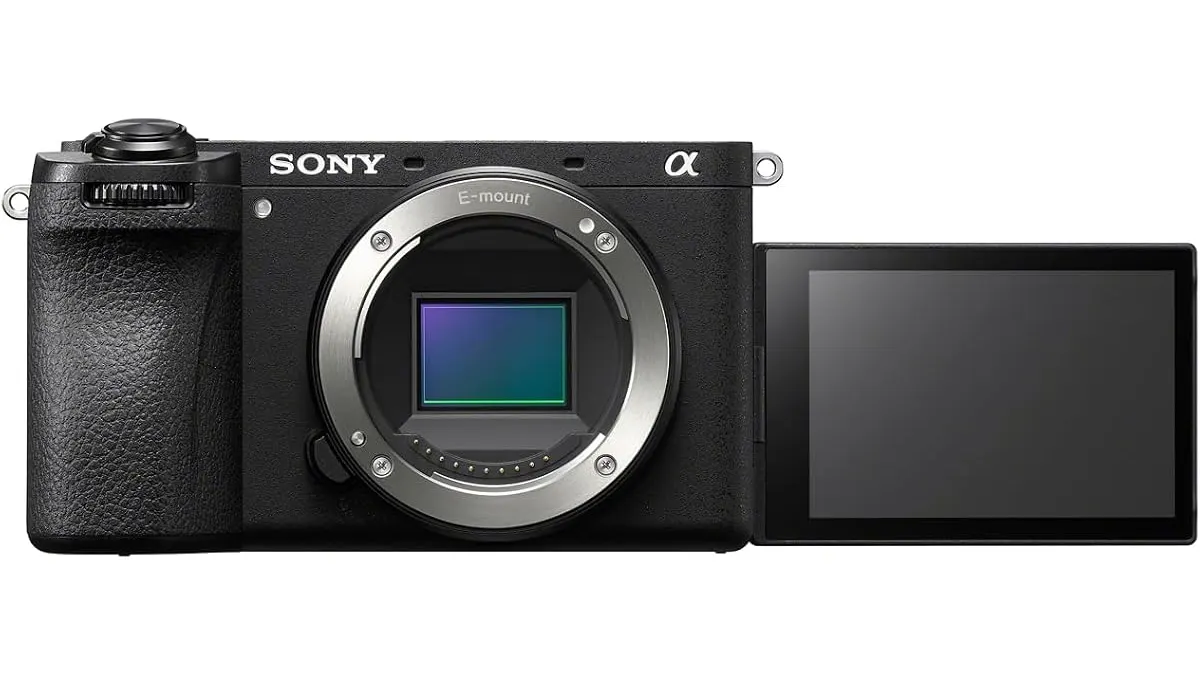
The Sony Alpha a6700 arrives at a pivotal moment for solo shooters who need high-end performance in a package that fits in a jacket pocket. It bridges the gap between enthusiast-grade tools and professional cinema gear, making it a compelling candidate for those exploring our extensive range of Mirrorless Cameras. In this Sony Alpha a6700 review, I’ll break down why this sensor-processor combo is a game-changer for run-and-gun work.
What it does well
- Advanced AI Autofocus: The inclusion of an AI-driven processing unit transforms the shooting experience. During field tests with fast-moving subjects, the subject recognition and tracking remained locked on eyes and faces even when the subject turned away or moved through cluttered environments.
- High-End Video Specs: The ability to shoot 4K at 120p is a massive win for slow-motion enthusiasts. Because it oversamples from a 6K readout, the 4K footage is remarkably crisp with excellent dynamic range, especially when utilizing the 4:2:2 10-bit internal recording for more flexibility in post-production color grading.
- BIONZ XR Efficiency: This processor isn’t just about speed; it manages heat and data throughput efficiently. Whether you are shooting stills or extended video clips, the interface remains snappy, and the overall reliability during long shoot days is significantly improved compared to its predecessors.
Key specifications
| Feature | Specification |
|---|---|
| Sensor Resolution | 26.0 MP |
| Sensor Type | APS-C Exmor R CMOS |
| Processor | BIONZ XR |
| Max Video Resolution | 4K |
| 4K Frame Rates | Up to 120p |
| Color Sampling | 4:2:2 10-bit |
Where it falls short
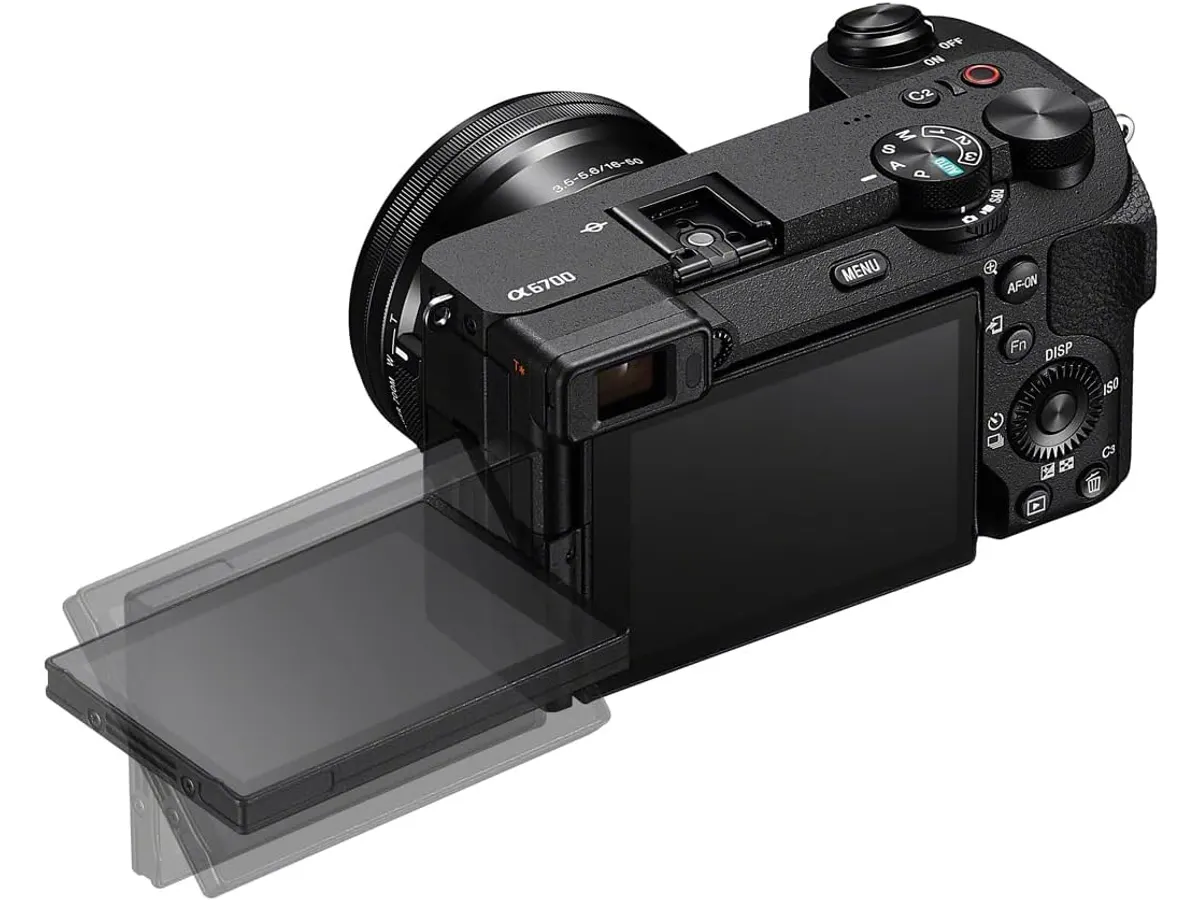
While the performance is top-tier, the form factor forces some ergonomic compromises. The small body can feel cramped if you are using heavier, high-end lenses, leading to a front-heavy setup that isn’t ideal for long gimbal days without significant balancing effort. Additionally, the single card slot is a point of contention for professional event shooters who require instant redundancy for client peace of mind. If you are handling high-stakes weddings or corporate work, you might prefer the dual-slot reliability found in the Sony Alpha a7 IV Review: The Ultimate Hybrid Workhorse.
Who is it for?
This camera is perfect for the hybrid creator who prioritizes portability without sacrificing image quality. If you are a travel vlogger or a solo documentary filmmaker who needs to move fast through airports and cramped locations, this is your best friend. Conversely, this is not the right tool for the studio-based commercial photographer who needs the massive resolution of a full-frame sensor or the deep-menu customization and physical controls of a larger cinema-centric body.
Alternatives to consider
If you find the APS-C sensor limiting, you might look at entry-level full-frame systems. These offer superior low-light performance and shallower depth of field, though they often come at the cost of increased weight and size. If your budget is tighter and you primarily focus on sharp 4K video without needing high-frame-rate options, there are capable options in the mid-tier price bracket that offer solid autofocus and durable builds without the premium cost of the latest AI-driven features. For those who need a balance of pro-video features in a slightly larger, more ergonomic package, the Panasonic LUMIX S5 II Review: A Versatile Mirrorless Camera is a standard reference for that segment.
Verdict
The Sony Alpha a6700 is an incredibly potent tool that punches well above its weight class. While it isn’t perfect for every professional scenario, its autofocus and video specs make it one of the most versatile options currently available for creators on the move. For anyone looking to upgrade from older tech, it remains a smart investment. If you are still deciding on the right platform, be sure to compare it against the smaller, more basic models like the Sony Alpha a6400 Review: Compact Power for Solo Creators.
Frequently asked questions
Can I use my old E-mount lenses on this camera?
Yes, the a6700 is fully compatible with existing Sony E-mount lenses, though you will get the best performance from lenses designed for the APS-C sensor format.
Does this camera overheat during long 4K sessions?
While no compact camera is immune, the BIONZ XR processor and improved thermal management make this significantly more reliable for long-form shooting than previous generations of the a6000 series.
Is the AI autofocus actually useful for stills?
Absolutely. The dedicated AI chip allows the camera to predict movement patterns and maintain focus on complex subjects, which is a major advantage for wildlife and street photography.

Written by
Charly River
Editor & Head of Reviews
I review audiovisual gear by cross-checking official specs, real availability and value for money. No sponsorships: if a link earns a commission, I always say so.
Spotted an error? Email usYou may also like
 Mirrorless Cameras
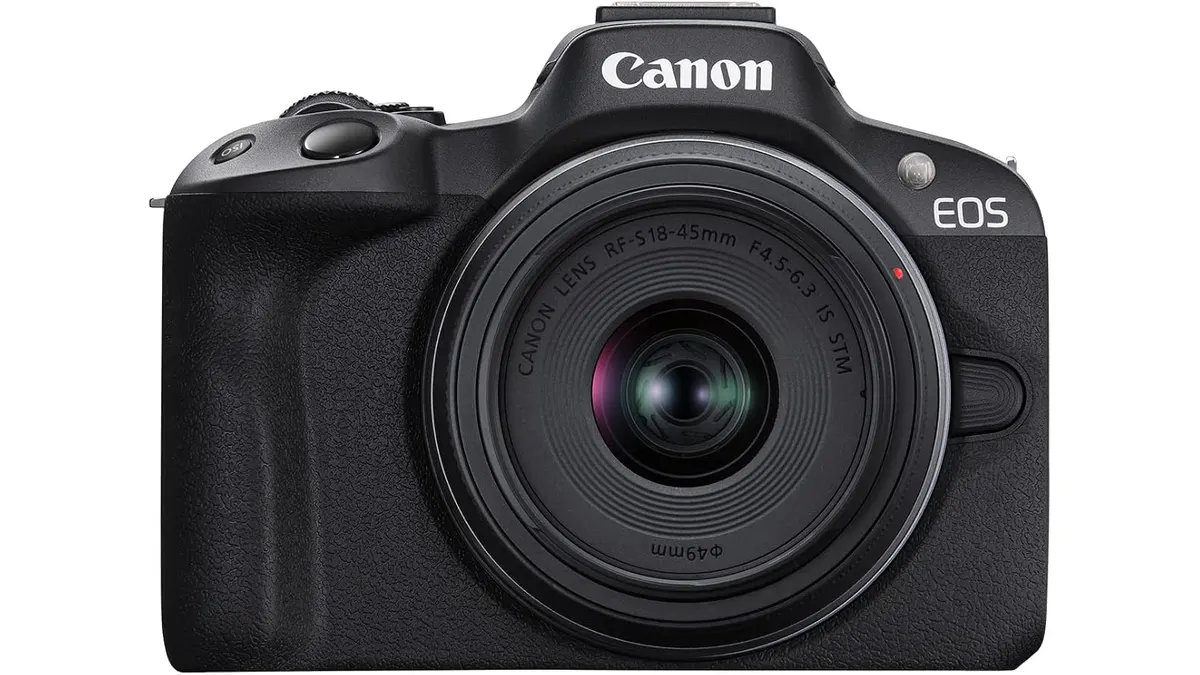
Canon EOS R50 Kit Review: Is This Compact APS-C Camera Worth It?
We put the Canon EOS R50 Kit to the test. Discover if this lightweight mirrorless camera is the right fit for your vlogging or photography needs.
 Mirrorless Cameras
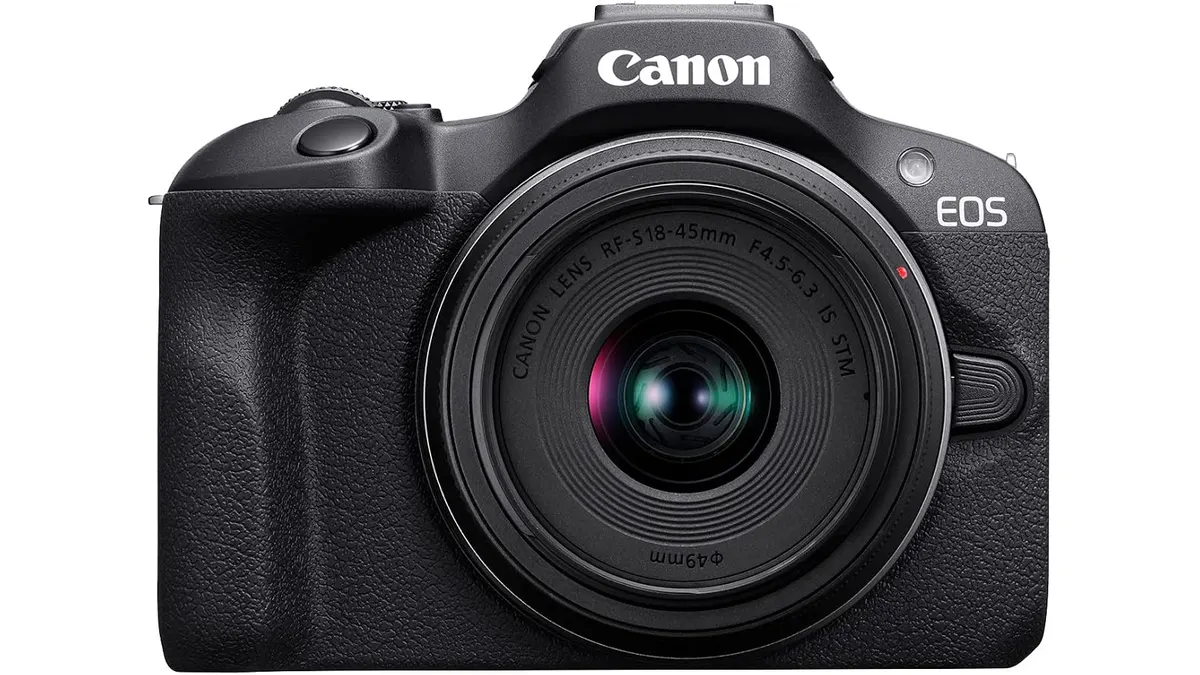
Canon EOS R100 Review: Ultra-Light APS-C Mirrorless
Read our hands-on Canon EOS R100 review to see if this ultra-compact APS-C mirrorless camera delivers the video and photo quality you need.
 Mirrorless Cameras
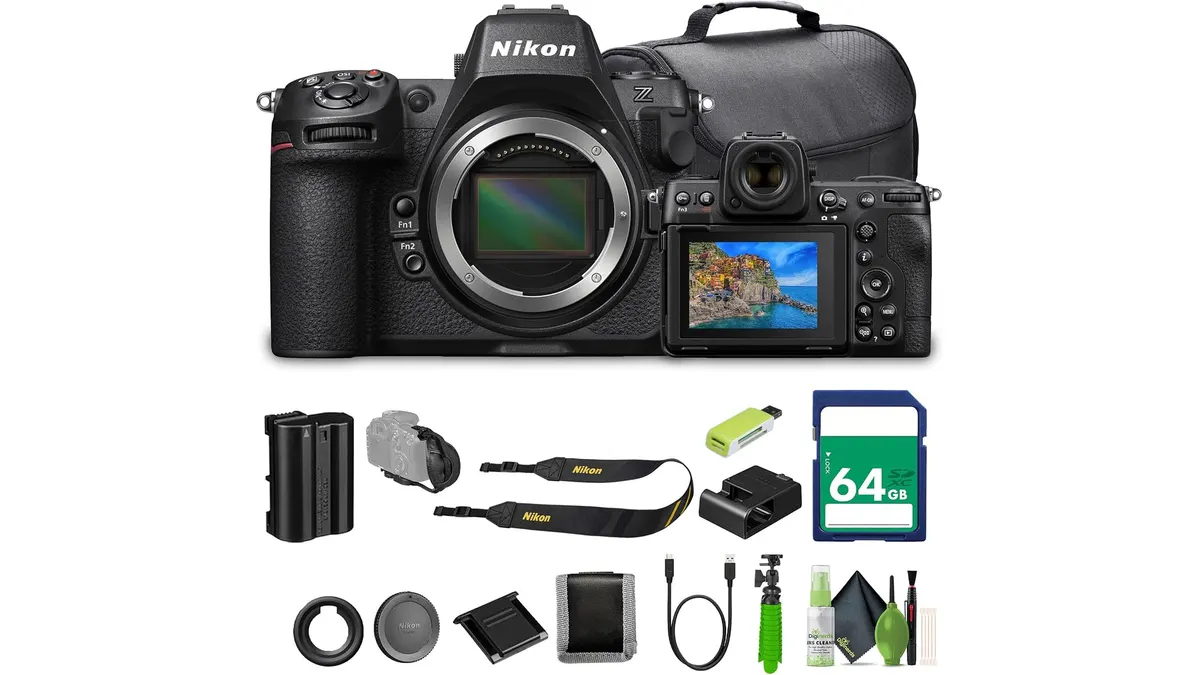
Nikon Z8 Review: High-Speed Full-Frame Powerhouse
Read our hands-on Nikon Z8 review. Discover how its 45.7 MP sensor, 8K60p raw video, and EXPEED 7 processor perform in real professional workflows.