Nikon Z8 Review: High-Speed Full-Frame Powerhouse
Read our hands-on Nikon Z8 review. Discover how its 45.7 MP sensor, 8K60p raw video, and EXPEED 7 processor perform in real professional workflows.
 Mirrorless Cameras
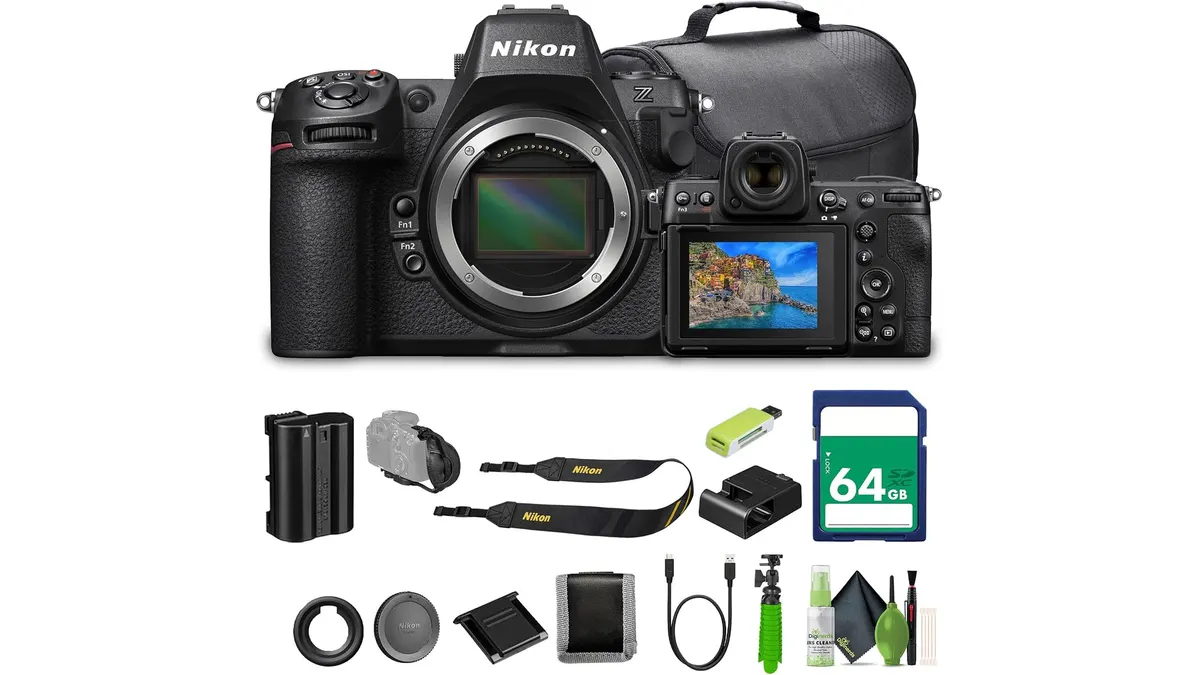
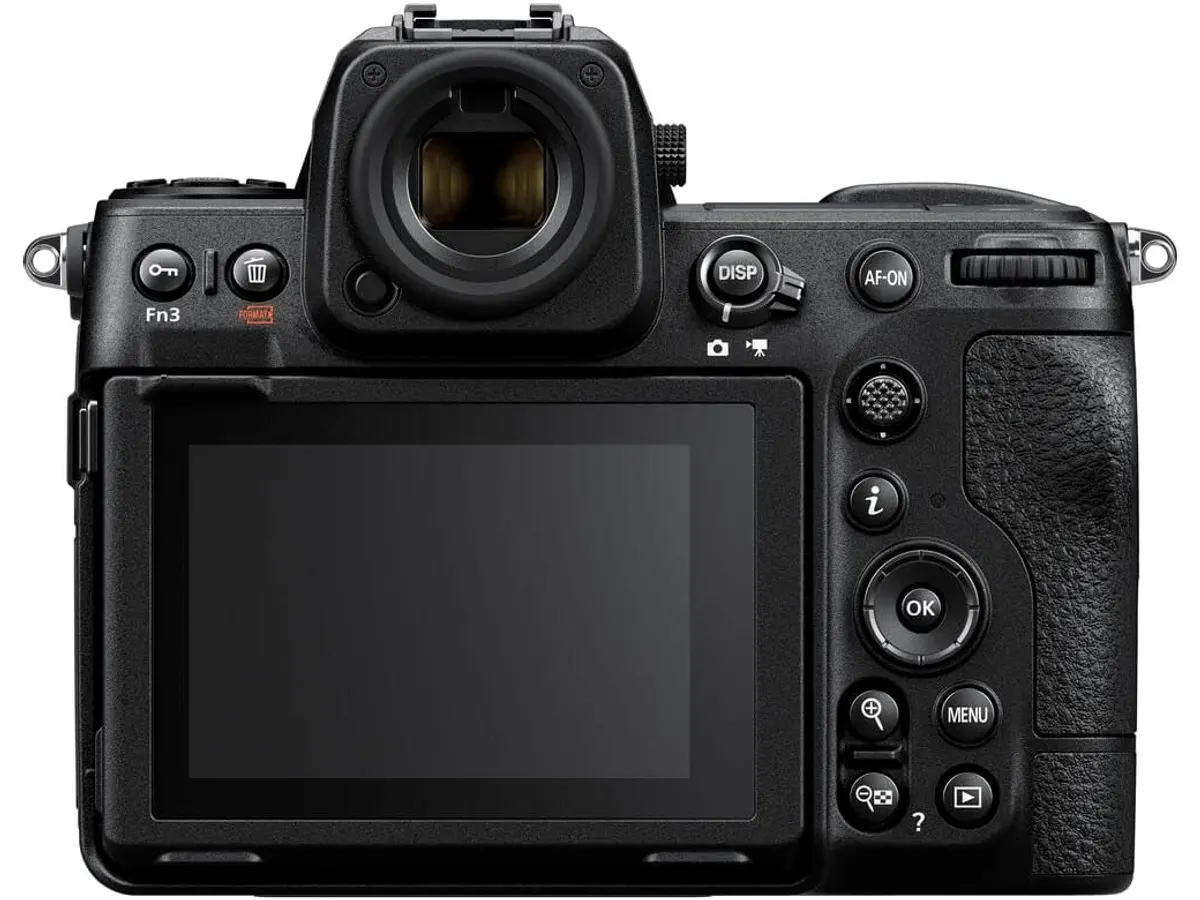
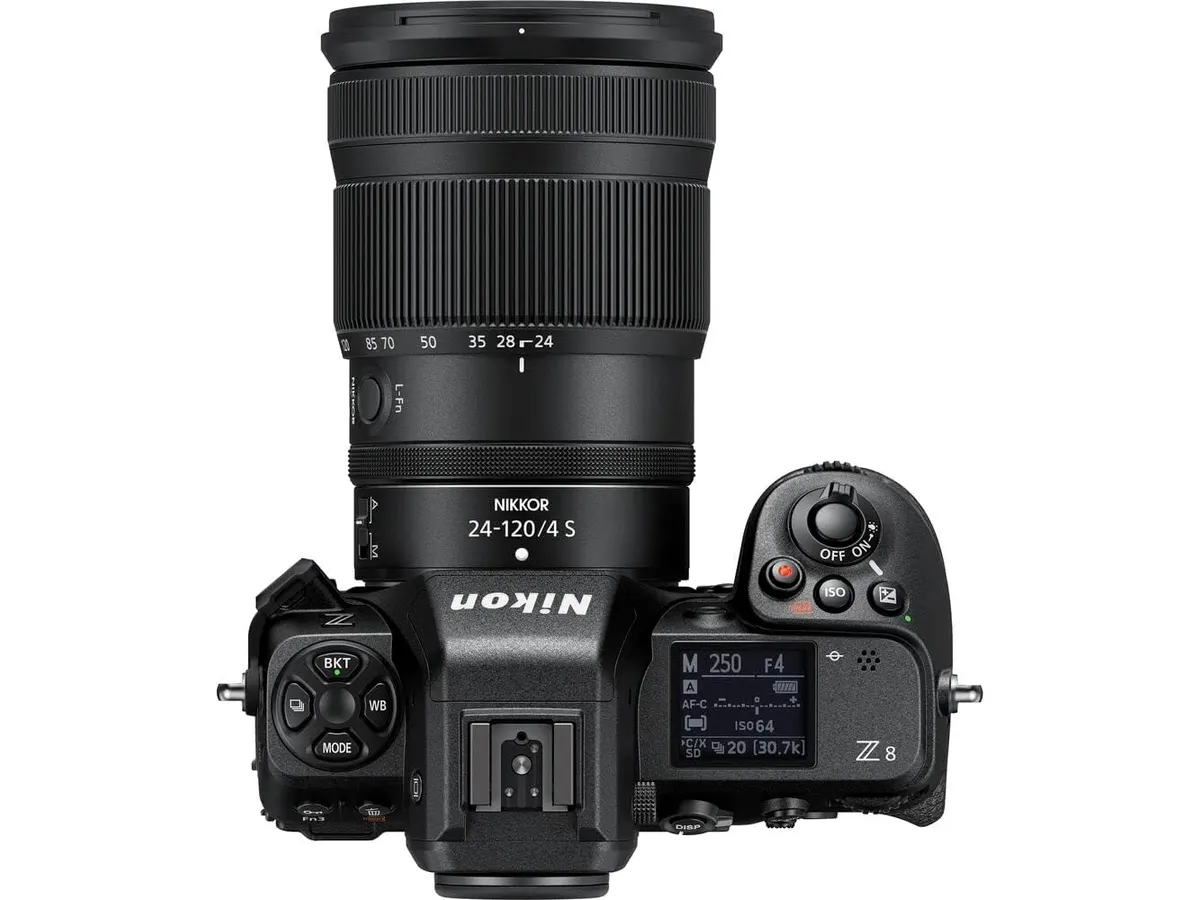
When I first rigged up the Nikon Z8 for a fast-paced commercial shoot, I wanted to see if it truly inherited flagship performance without excessive bulk. Delivering high-resolution stills alongside raw video capabilities, this body sets a serious standard among modern Mirrorless Cameras. It cuts down set overhead while offering the resolution, speed, and autofocus depth that demanding hybrid production environments require.
What it does well
- Exceptional image resolution and processing: The 45.7 MP BSI CMOS sensor paired with the EXPEED 7 image processor produces phenomenal image clarity. In high-contrast outdoor lighting and studio portrait sessions, detail retention is superb. The processing engine handles massive color data with ease, making high-speed burst shooting and heavy image rendering feel fluid.
- Cinema-grade internal RAW video: Recording 8K60p and high-frame-rate 4K120p video internally gives hybrid filmmakers vast creative flexibility. Being able to capture N-RAW and ProRes RAW directly to card eliminates the need for external monitor-recorders, streamlining shoulder rigs and gimbal setups immensely.
- Blazing electronic shutter speed: By transitioning completely to an electronic shutter, maximum shutter speeds reach an astonishing 1/32,000 of a second. This mechanical-free design removes shutter wear concerns while allowing you to shoot wide open in intense direct sunlight without stacking neutral density filters.
- Reliable low-light autofocus and tracking: Featuring 493 phase-detection AF points with sensitivity dropping down to -9 EV, focus lock remains fast in dimly lit venues. The deep learning tracking system reliably identifies and sticks to subjects, whether you are following fast movement across a stage or pulling focus during low-light interviews.
Key specifications
| Feature | Specification |
|---|---|
| Sensor Resolution | 45.7 MP BSI CMOS |
| Image Processor | EXPEED 7 |
| Shutter Type | Fully Electronic (up to 1/32,000 s) |
| Autofocus | 493 phase-detection points, -9 EV sensitivity |
| Video Resolution | 8K60p, 4K120p |
| Internal Video Formats | N-RAW, ProRes RAW |
| Tracking Technology | Deep learning subject detection |
Where it falls short
- Heavy media and storage demands: Shooting internal 8K60p N-RAW footage generates immense file sizes. You will need to budget heavily for high-capacity cards and expansive edit bay storage arrays to manage full day shoots.
- Potential banding under specific lighting: Because the system relies entirely on an electronic shutter, fast-frequency artificial lighting or specific LED panels can occasionally cause subtle banding if shutter speeds are not carefully synchronized.
- Thermal management during prolonged 8K takes: Continuous high-bitrate 8K capture creates significant heat output and draws noticeable battery power. Long interview setups require active power management and thoughtful monitoring to prevent thermal pauses.
Who is it for?
- The Professional Hybrid Creator: If your workload alternates between high-resolution commercial print photography and top-tier internal raw video capture, this camera is tailored for your workflow. It bridges the gap between dedicated cinema rigs and high-megapixel still cameras seamlessly.
- The Lightweight Solo Creator: If you produce content primarily for social channels or lightweight vlogging, the resolution and file sizes here are complete overkill. For everyday solo work, checking out options like the Sony Alpha a7 IV Review: The Ultimate Hybrid Workhorse or a compact crop-sensor body like the Sony Alpha a6400 Review: Compact Power for Solo Creators makes far more sense for streamlined editing pipelines.
Alternatives to consider
- Mid-Tier Standard Resolution Hybrids: If 45.7 MP files and 8K recording exceed your client deliverables, mid-range full-frame models focus on optimized standard 4K workflows. These options yield smaller file footprints, extended battery longevity, and simpler post-production processing without requiring heavy media storage setups.
- Dedicated Video-Centric Workhorses: For creators who prioritize extended clip recording, flip-out screen ergonomics, and lower resolution sensors optimized purely for low-light video sensitivity, lower megapixel bodies in the mid-price tier provide dedicated cinema features without the storage overhead of high-resolution stills.
Verdict
The Nikon Z8 stands out as an outstanding option for working professionals who require uncompromised high-resolution stills and cinema-grade internal RAW video in a single body. Its electronic shutter speed, -9 EV autofocus detection, and 8K60p recording capabilities deliver high-end set performance across commercial, event, and hybrid assignments. While data management requires disciplined media planning, its pure capability makes it a top-tier tool for serious creators.
Frequently asked questions
Does the Nikon Z8 feature a mechanical shutter?
No, it uses an electronic shutter operating at speeds up to 1/32,000 of a second, which eliminates mechanical shutter wear and vibration entirely.
Can it record RAW video directly to memory cards?
Yes, it records high-bitrate N-RAW and ProRes RAW internally up to 8K60p and 4K120p without requiring an external recorder.
How well does the autofocus operate in low light?
Using 493 phase-detection points with -9 EV sensitivity, the autofocus system reliably acquires and tracks subjects even in extremely dim environments.

Written by
Charly River
Editor & Head of Reviews
I review audiovisual gear by cross-checking official specs, real availability and value for money. No sponsorships: if a link earns a commission, I always say so.
Spotted an error? Email usYou may also like
 Mirrorless Cameras
Canon EOS R6 Review: A Full-Frame Hybrid Performance Workhorse
We tested the Canon EOS R6 to see if its 20MP sensor and DIGIC X processor hold up for professional video and stills. Read our honest take on this hybrid.
 Mirrorless Cameras
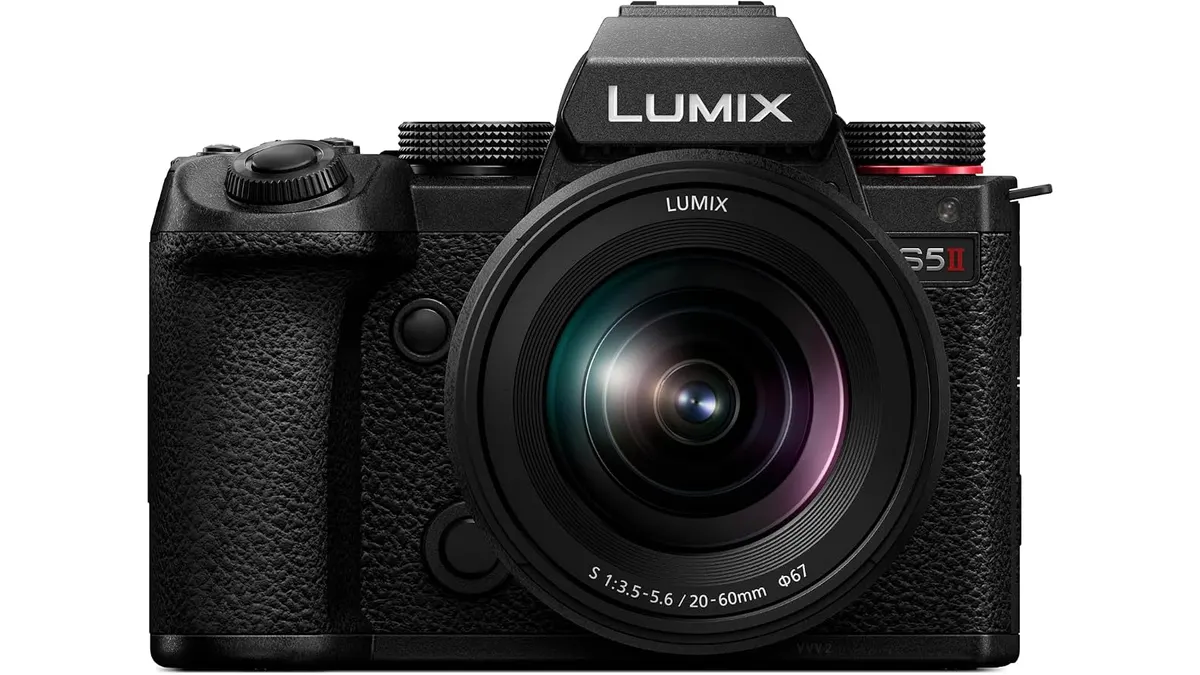
Panasonic LUMIX S5II Review: A Game-Changer for Filmmakers
Explore the Panasonic LUMIX S5II's features and performance in our comprehensive review. Is it the right mirrorless camera for your next project?
 Mirrorless Cameras
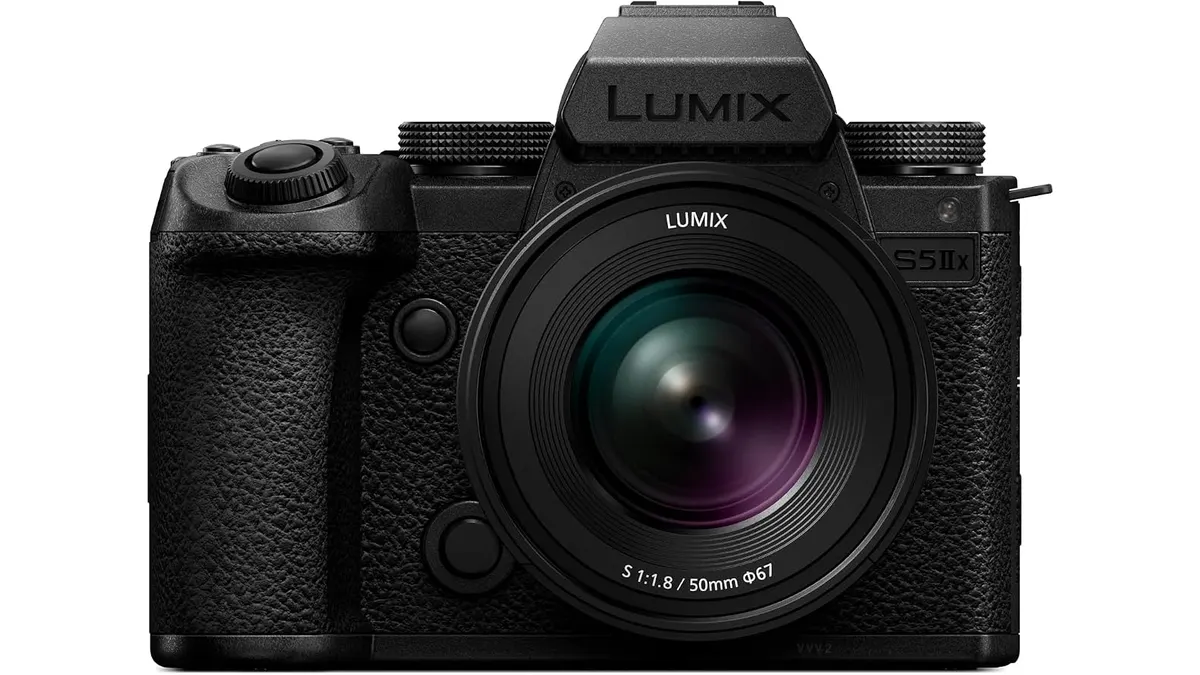
LUMIX S5IIX Review: A Powerful Full-Frame Mirrorless Camera
Explore the strengths and weaknesses of the LUMIX S5IIX in this in-depth review for filmmakers and content creators. Find out if it's right for you.