Canon EOS R50 Kit Review: Is This Compact APS-C Camera Worth It?
We put the Canon EOS R50 Kit to the test. Discover if this lightweight mirrorless camera is the right fit for your vlogging or photography needs.
 Mirrorless Cameras
Intro
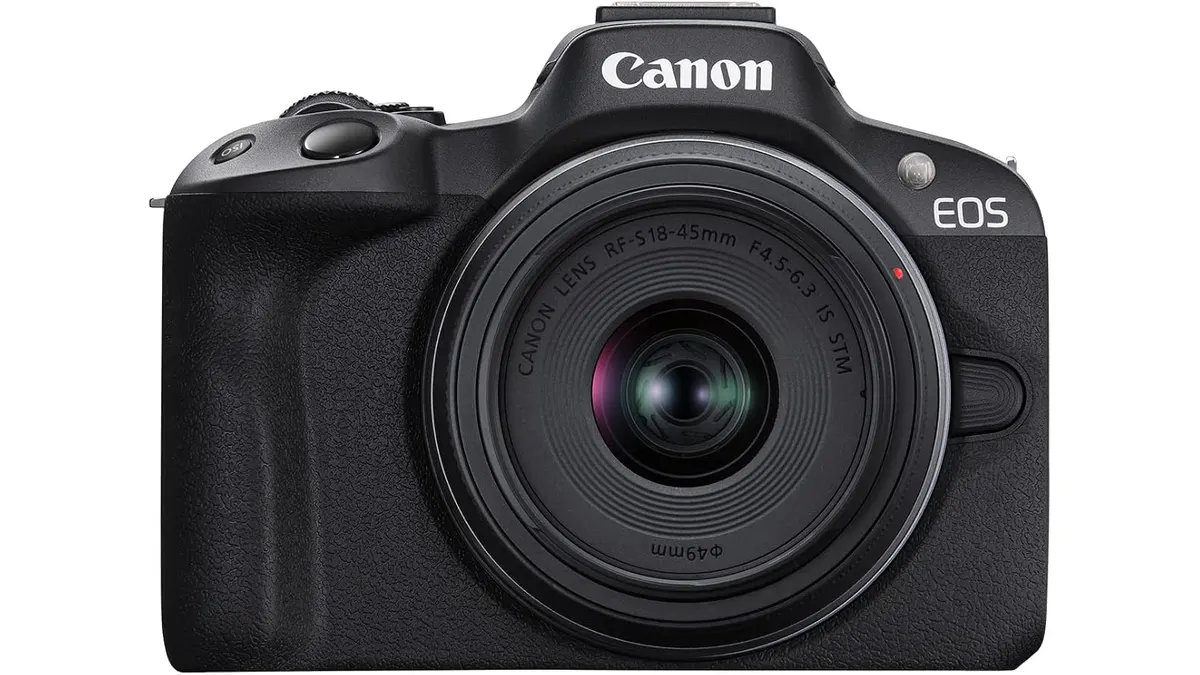
If you are searching for a lightweight entry point into the Canon RF ecosystem, the Canon EOS R50 Kit is likely on your radar. It bridges the gap between smartphone photography and professional-grade rigs, making it a compelling choice for creators who need speed and portability. Whether you are stepping up your content game or just want a reliable companion for daily shooting, it is a significant step forward within the world of Mirrorless Cameras. In this review, we examine if its performance lives up to the hype.
What it does well
The standout feature here is undoubtedly the Dual Pixel CMOS AF II system. In my testing, the subject tracking for people, animals, and vehicles was incredibly sticky, handling erratic movement at a local sports event with ease. It rarely hunted for focus, which is a massive relief when you are running-and-gunning.
- Video Quality: The 4K footage, oversampled from 6K, looks crisp and professional. It maintains a natural color science that requires minimal grading, which is perfect for solo creators who want to spend more time filming and less time in the edit bay.
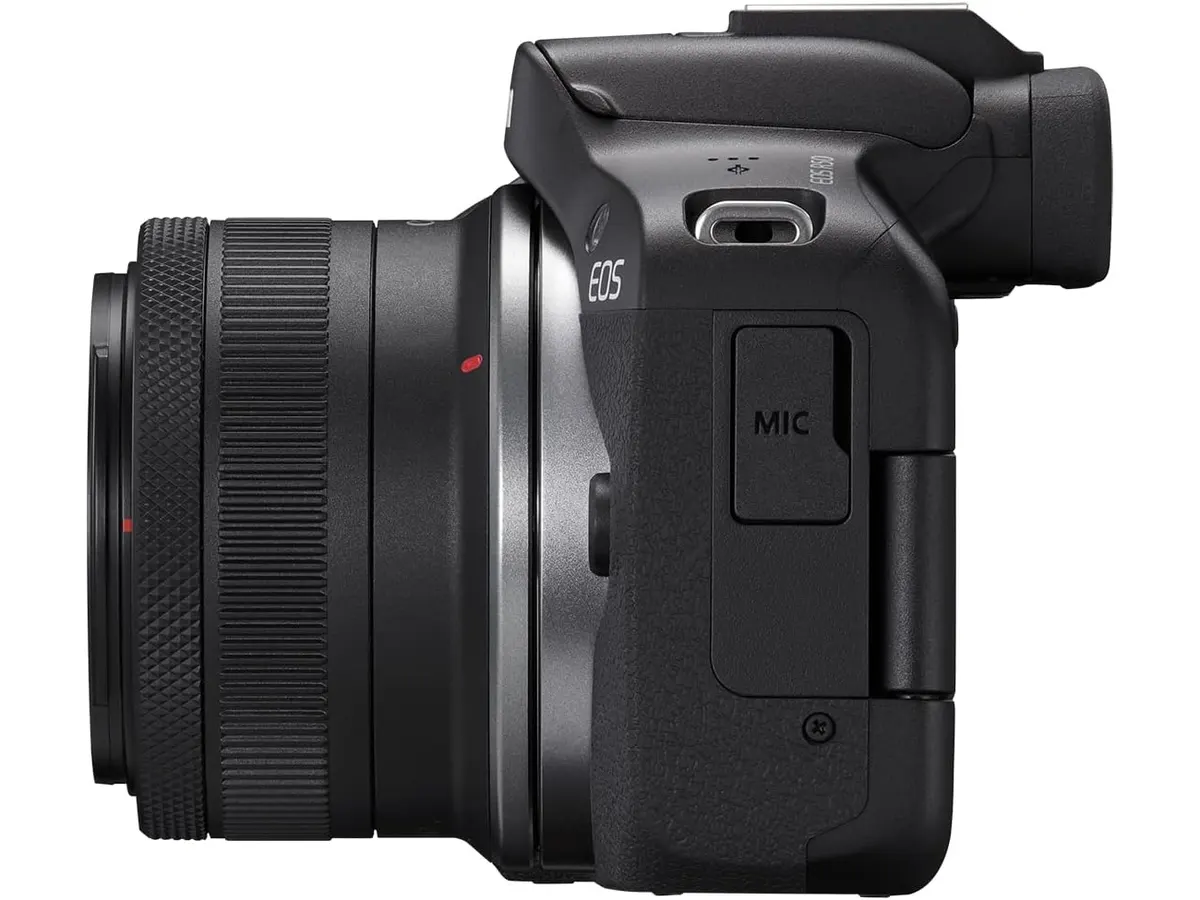
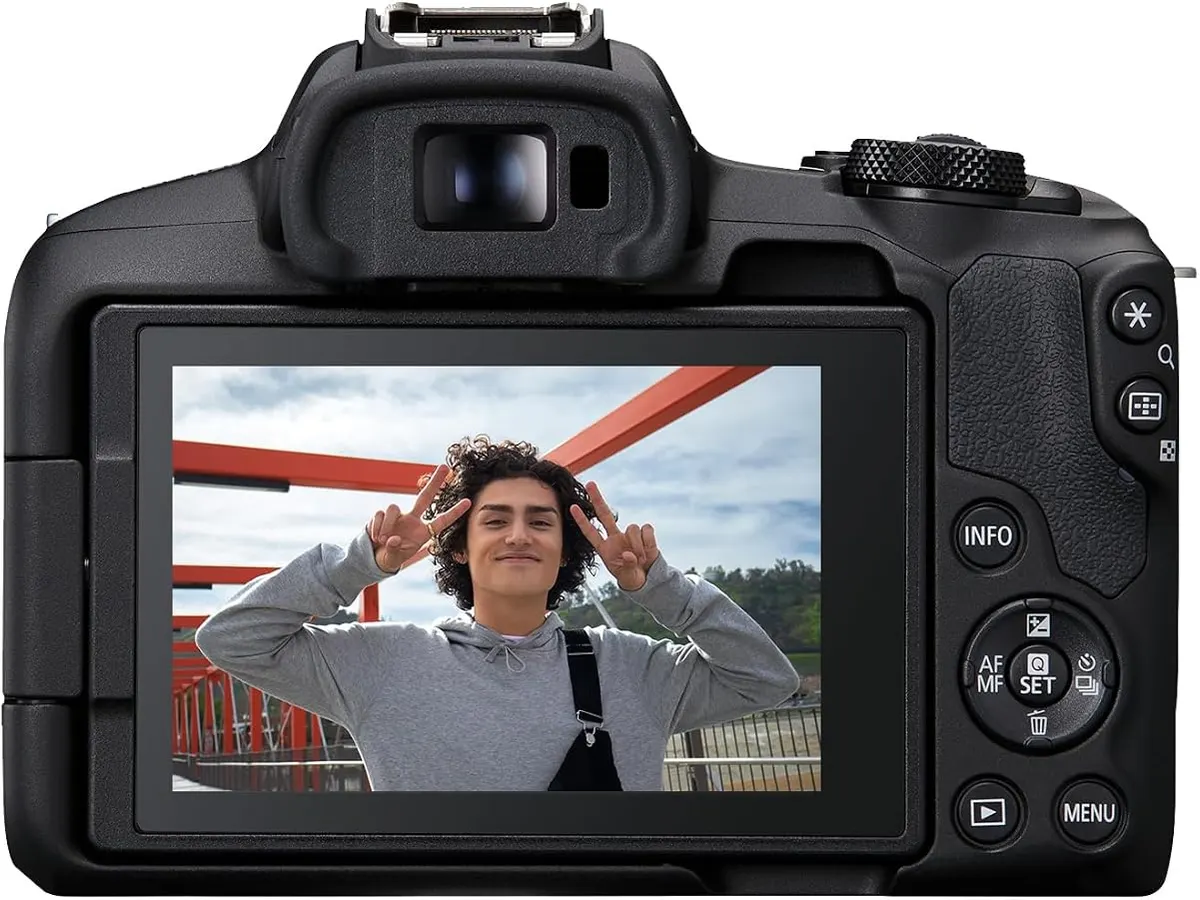
- Ergonomics and Display: The variable-angle touchscreen is bright and responsive. Having that flexibility is essential for vlogging or getting low-angle shots where you cannot easily put your eye to a viewfinder.
- Speed: With up to 15 fps using the electronic shutter, you have a legitimate chance of catching the perfect frame during fast-paced action. It feels responsive in a way that many entry-level bodies simply do not.
Key specifications
| Feature | Specification |
|---|---|
| Sensor | 24.2 Megapixel CMOS (APS-C) |
| Processor | DIGIC X |
| Continuous Shooting | Up to 15 fps (Electronic) |
| Autofocus | Dual Pixel CMOS AF II (651 zones) |
| Video Resolution | 4K at 30 fps (6K oversampled) |
| Screen | Vari-angle Touchscreen LCD |
| Connectivity | Bluetooth and Wi-Fi |
Where it falls short
The primary limitation is the lens ecosystem. While the RF mount is the future, there is a lack of native, compact glass specifically designed for the smaller APS-C sensor, which can make the rig feel slightly front-heavy with full-frame lenses attached. Additionally, the battery life is average at best. If you are planning an all-day shoot, you will absolutely need a spare or a power bank to get through the afternoon.
Who is it for?
This camera is a perfect fit for the entry-level solo creator or the vlogger who needs a reliable, lightweight setup that can handle high-quality video without a complex menu system. It is also great for travel photographers who want to ditch their heavy gear without sacrificing the quality of their images.
Conversely, this is not for the professional videographer who requires advanced tools like C-Log, deep color bit-depths, or robust external recording options for high-end cinema work. If you are building a professional client rig, you would be better served by reading our Panasonic LUMIX S5 II Review: A Versatile Mirrorless Camera or the Sony Alpha a7 IV Review: The Ultimate Hybrid Workhorse to see what a full-frame hybrid offers.
Alternatives to consider
If you want something in a lower price tier, look for older compact mirrorless models that prioritize manual controls and a wider selection of affordable, legacy glass. These are excellent for students learning the fundamentals of exposure.
If you are in a higher price tier, consider bodies that feature internal stabilization or more robust weather sealing. These cameras are built for professional environments where you cannot afford to have the gear fail during a shoot, or where you need to perform significant color correction in post-production.
Verdict
The Canon EOS R50 Kit is a highly capable, approachable tool that punches above its weight class in terms of autofocus and image quality. While it lacks some of the advanced professional features found in higher-end options, it hits the mark for the vast majority of social media and casual content creators. Explore more options in our collection of Mirrorless Cameras to ensure this is the right match for your workflow.
Frequently asked questions
Can I use my old lenses with this camera?
You can use full-frame RF lenses, but you will need an adapter to use older DSLR lenses, which may change the effective focal length and weight balance.
Is this camera good for low light?
It performs adequately for its class, but expect some noise at higher ISOs compared to larger full-frame sensors. It handles casual evening events well, but it is not a dedicated low-light specialist.
Does it have built-in stabilization?
The body itself lacks mechanical in-body image stabilization, so you will want to pair it with lenses that feature optical stabilization if you plan to shoot handheld video.

Written by
Charly River
Editor & Head of Reviews
I review audiovisual gear by cross-checking official specs, real availability and value for money. No sponsorships: if a link earns a commission, I always say so.
Spotted an error? Email usYou may also like
 Mirrorless Cameras
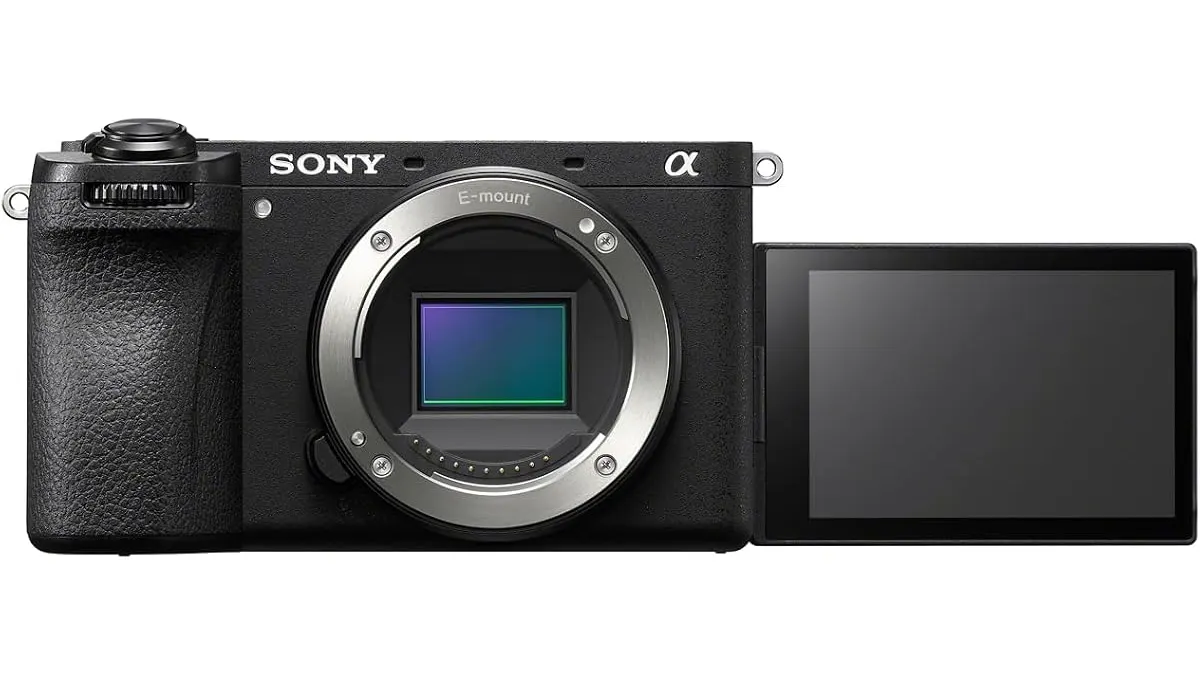
Sony Alpha a6700 Review: A Compact APS-C Powerhouse for Creators
Is the Sony Alpha a6700 the right choice for your kit? We break down the performance, video capabilities, and real-world trade-offs in this honest review.
 Mirrorless Cameras
Canon EOS R100 Review: Ultra-Light APS-C Mirrorless
Read our hands-on Canon EOS R100 review to see if this ultra-compact APS-C mirrorless camera delivers the video and photo quality you need.
 Mirrorless Cameras
Sony Alpha a6400 Review: Compact Power for Solo Creators
We put the Sony Alpha a6400 to the test. Is this compact powerhouse the right fit for your vlogging or photography needs? Read our honest assessment.