RØDE VideoMic Pro+ Review: A Reliable Tool for On-Camera Audio
Is the RØDE VideoMic Pro+ still the go-to shotgun mic for creators? We test the Rycote suspension, power options, and audio performance for your production.
 Microphones
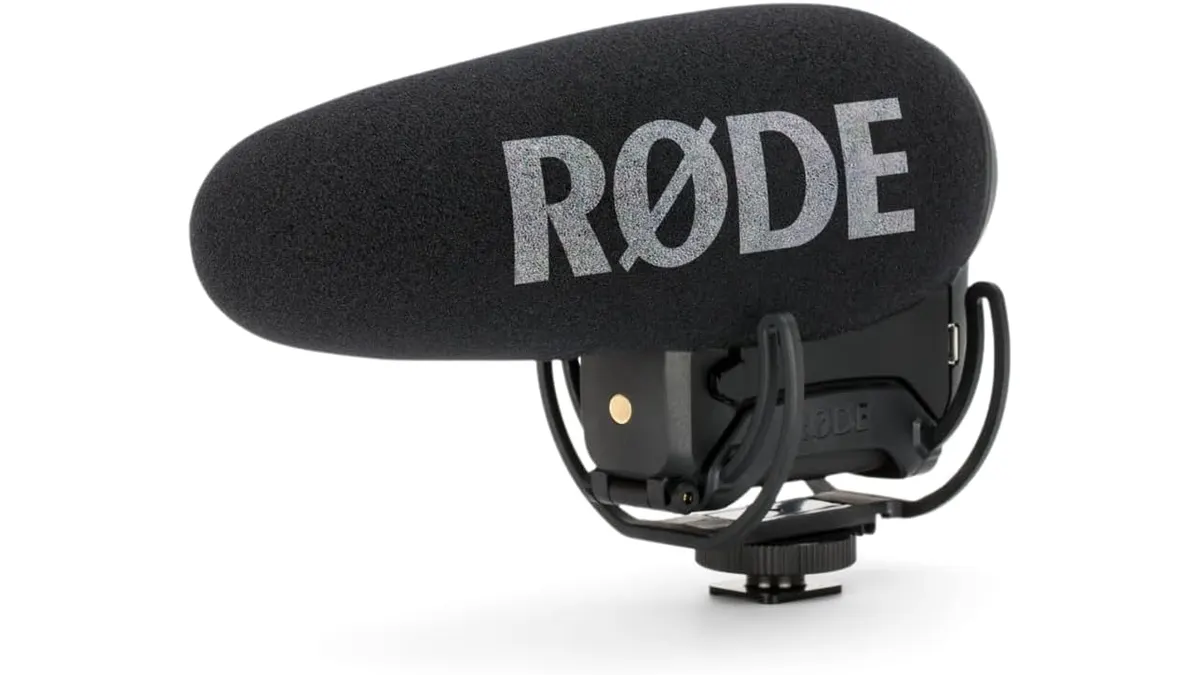
If you spend any time capturing video, you know the frustration of getting home from a shoot only to realize your audio is unusable. The RØDE VideoMic Pro+ has long been a staple in the gear bags of solo shooters and run-and-gun crews who need a dependable shotgun mic. We dive into our full collection of Microphones often, but this unit remains a common point of reference for reliable, on-camera performance.
What it does well
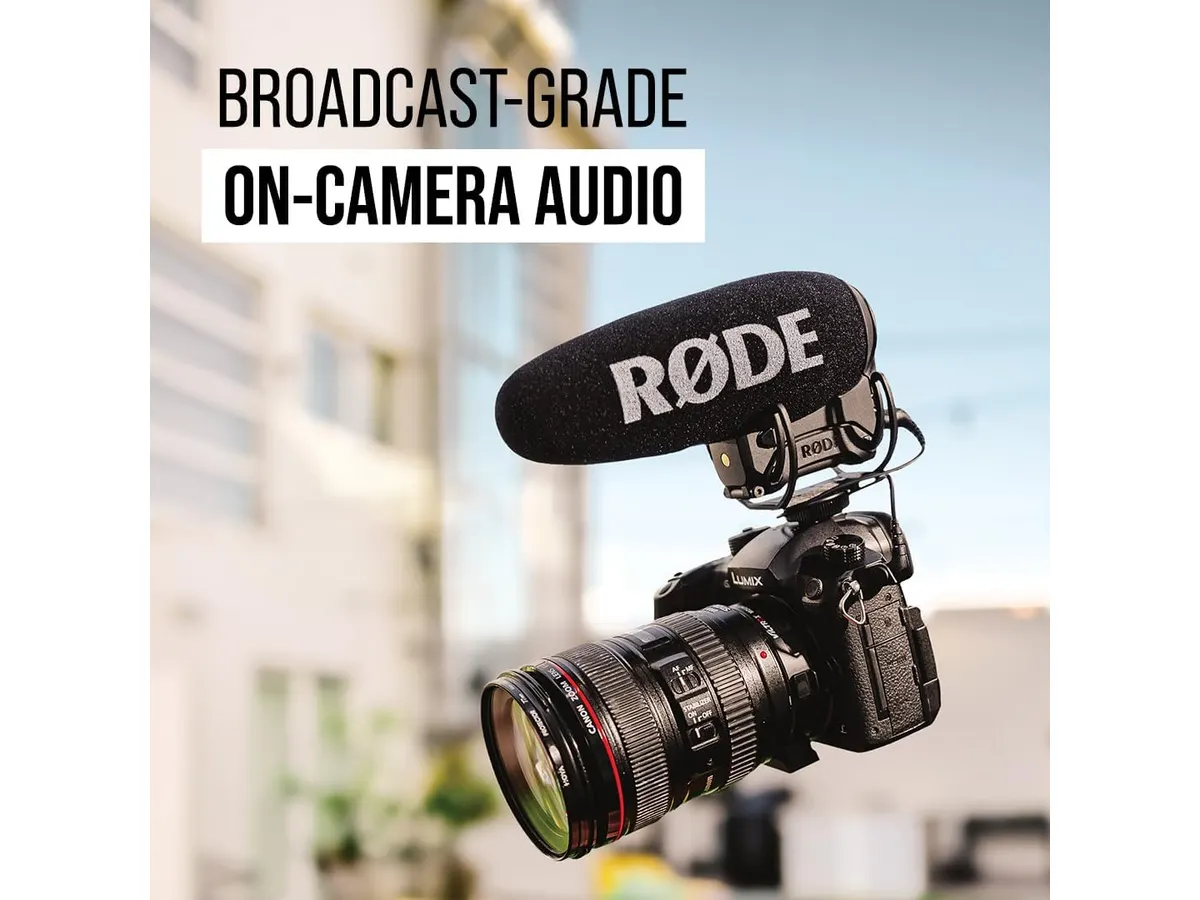
The RØDE VideoMic Pro+ shines in its practicality for the working videographer. Its greatest strength is the intelligent power management; the automatic on/off feature is a lifesaver, ensuring you don’t drain your battery because you forgot to flip a switch after a long day of filming. The integration of the Rycote Lyre suspension system is also a highlight, as it effectively isolates the capsule from handling noise, which is essential when you are moving quickly with a camera on a gimbal or handheld.
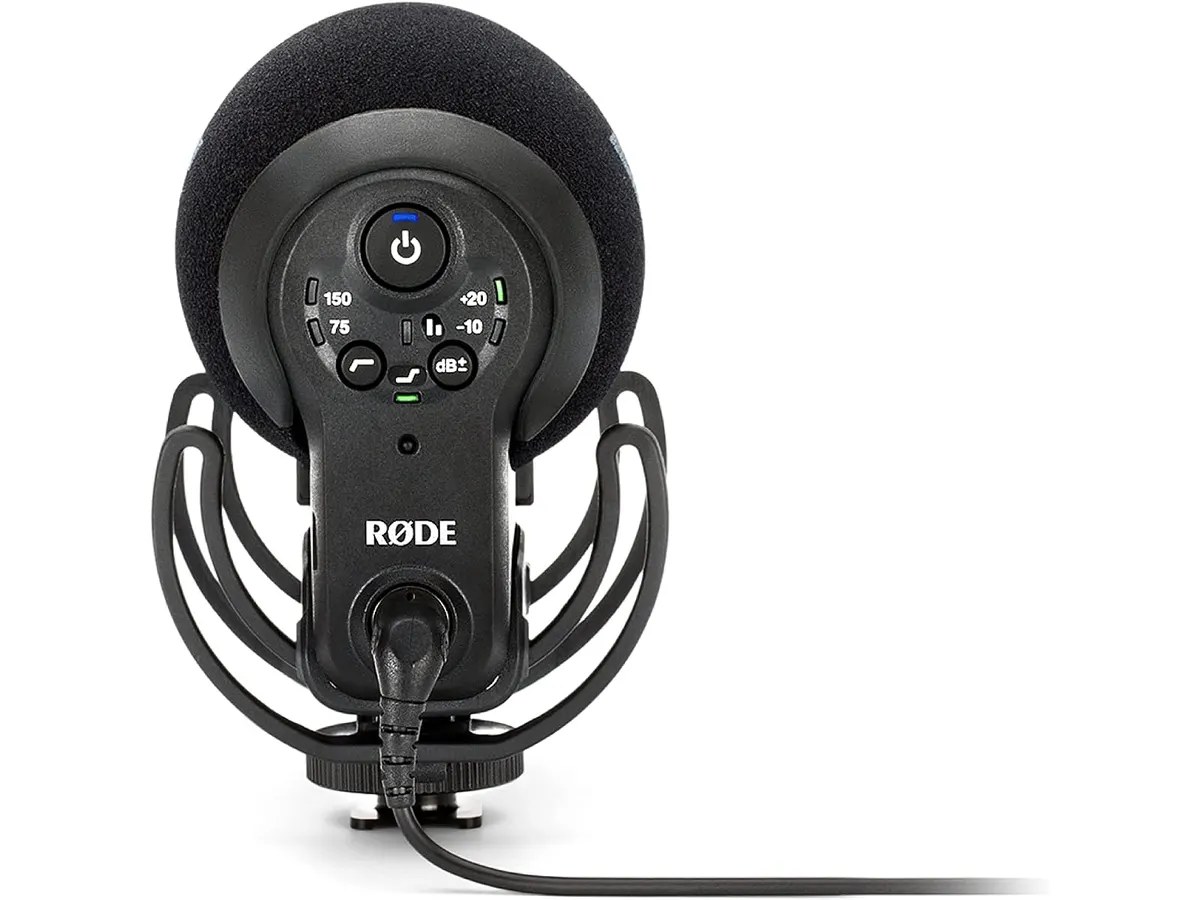
Versatility is baked into its power system. Having the ability to run off the included LB-1 rechargeable battery, standard AA batteries, or a continuous Micro USB feed means you are never truly stranded without power. Additionally, the digital switching controls allow for quick adjustments to your signal levels, which helps keep your levels clean and minimizes the amount of heavy lifting you need to do in post-production.
Key specifications
| Feature | Specification |
|---|---|
| Type | Camera-mount shotgun microphone |
| Suspension | Rycote Lyre |
| Power Options | LB-1 battery, 2x AA, Micro USB |
| Power Control | Automatic (plug-in power) |
| Battery Door | Integrated (tethered) |
| Audio Processing | Digital switching |
Where it falls short
While this mic is a workhorse, it isn’t perfect for every scenario. The form factor, while standard, can feel a bit bulky on ultra-compact mirrorless bodies, potentially leading to some ergonomic imbalance if you are running a very lightweight setup. If you need something truly pocketable for travel, you might find more value in a DJI Mic Mini Review: Compact and Reliable Audio Capture approach, which prioritizes a smaller footprint over traditional shotgun dynamics.
Furthermore, the reliance on older Micro USB technology for power and potential firmware updates feels dated in an era where USB-C is the universal standard. While it doesn’t affect the audio quality, it does mean carrying an extra cable specific to this device, which is an annoyance for anyone trying to streamline their kit.
Who is it for?
This microphone is a perfect fit for the corporate videographer or event shooter who needs a “set it and forget it” solution for interviews and b-roll. It is robust, handles vibration well, and the battery life is solid for full-day shoots.
However, this is not for the ultra-minimalist content creator who shoots exclusively on a smartphone or a tiny vlogging camera. If you are trying to keep your rig as light as humanly possible, the physical profile of this shotgun mic will likely feel like overkill compared to smaller, lighter alternatives.
Alternatives to consider
If you find the size of the RØDE VideoMic Pro+ off-putting, consider entry-level compact shotgun mics that trade some of the advanced power management for a smaller, lighter build. These are great for lighter gimbal setups where balance is critical.
For those who prefer a wireless workflow, consider modern digital wireless transmitter systems. While they require more setup and battery management, they allow you to place the mic closer to the talent’s mouth, which often results in better audio clarity than an on-camera shotgun. You can see how these compare in the DJI Mic 3 Review: Top Wireless Lavalier for Creators.
Verdict
The RØDE VideoMic Pro+ remains a top-tier choice for shooters who need a reliable, high-quality audio source that integrates seamlessly with their camera. While its physical footprint and older charging port are minor drawbacks, its performance and convenience features far outweigh these issues for most professional applications. It is a solid investment for anyone serious about upgrading their in-camera audio quality.
Frequently asked questions
Is the Rycote suspension replaceable?
The suspension is integrated into the chassis design, which is typical for this class of microphone, providing excellent stability for general use.
Can I use this microphone on a boom pole?
Yes, you can mount it to a boom pole using the integrated thread, though you should pair it with a GAHOGA Mic Handle Review: Practical Handheld Audio Utility for better ergonomics if you plan to hold it for extended periods.
Does the auto-power feature work with all cameras?
The auto-power function relies on the camera providing plug-in power through the 3.5mm jack. Most modern DSLR and mirrorless cameras support this, but check your specific camera manual to confirm.

Written by
Charly River
Editor & Head of Reviews
I review audiovisual gear by cross-checking official specs, real availability and value for money. No sponsorships: if a link earns a commission, I always say so.
Spotted an error? Email usYou may also like
 Microphones
RØDE Wireless GO II Review: A Versatile Audio Tool for Creators
Looking for reliable audio? Our RØDE Wireless GO II review breaks down the dual-channel performance, internal recording capabilities, and real-world drawbacks.
 Microphones
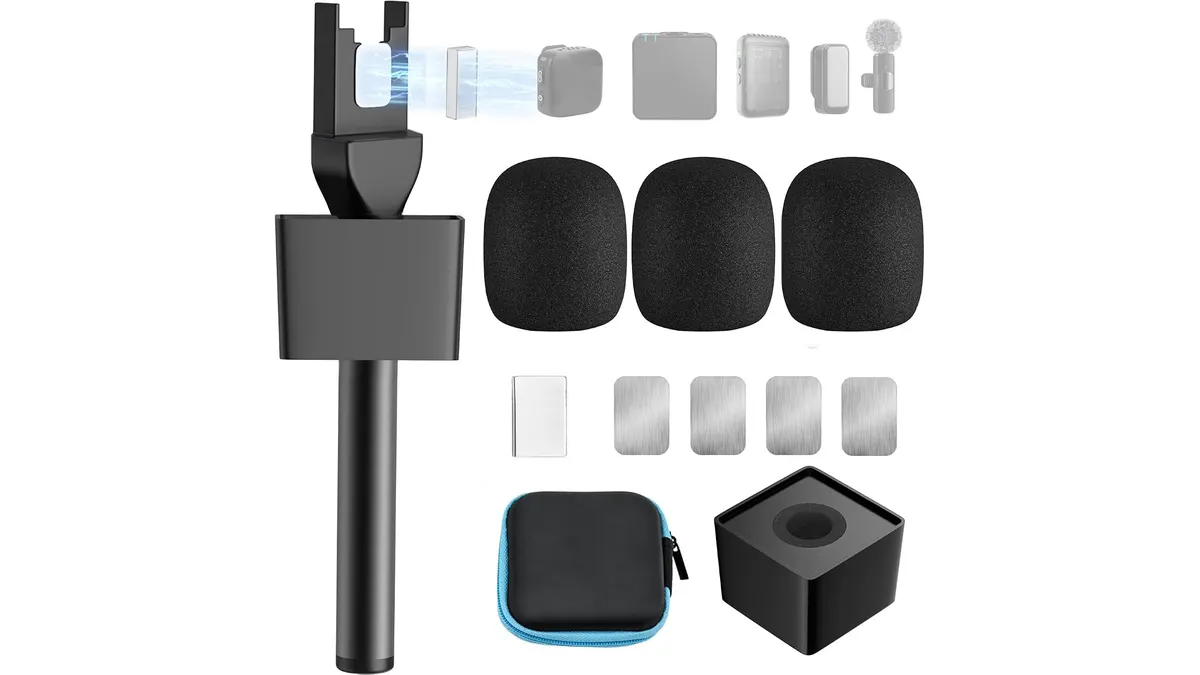
GAHOGA Mic Handle Review: Practical Handheld Audio Utility
I put the GAHOGA Mic Handle to the test on set to see if it turns wireless transmitters into reliable handheld microphones. Read my expert take here.
 Microphones
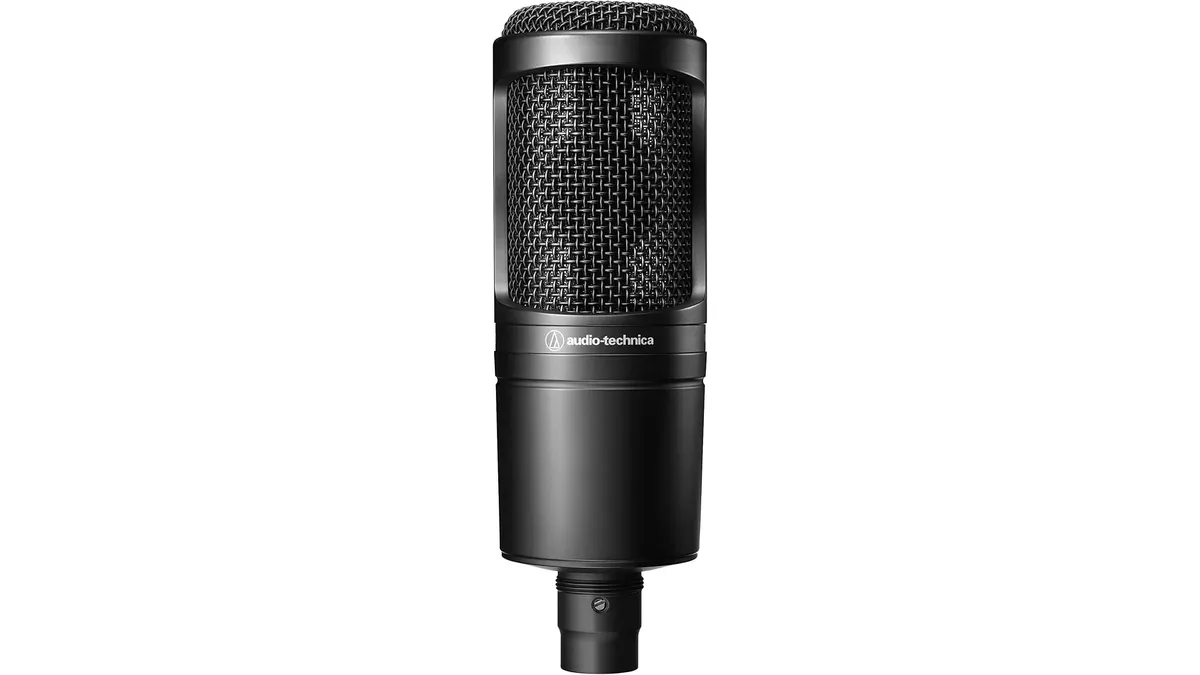
Audio-Technica AT2020 Review: Versatile Studio Condenser Microphone
Discover the strengths and limitations of the Audio-Technica AT2020, a versatile condenser microphone ideal for home studios and personal projects.